
Weitong kompositledningar med banbrytande vävd roving-teknik
The quality of fiberglass laminates depends on the reinforcement, resin system, layup method, and manufacturing process. Inadequate fiber wet-out, trapped air, poor interlaminar bonding, or improper curing conditions can lead to defects such as dry spots, bubbles, voids, delamination, and uneven surfaces. Preventing these issues requires appropriate material selection and careful process control based on the specific molding method.
▸These defects may occur together, but their causes are not necessarily the same. Dry spots are mainly associated with inadequate fiber wet-out, while bubbles and voids may also result from trapped air, ineffective venting, or issues during molding. Diagnosis should take into account the defect's location, appearance, and production records.
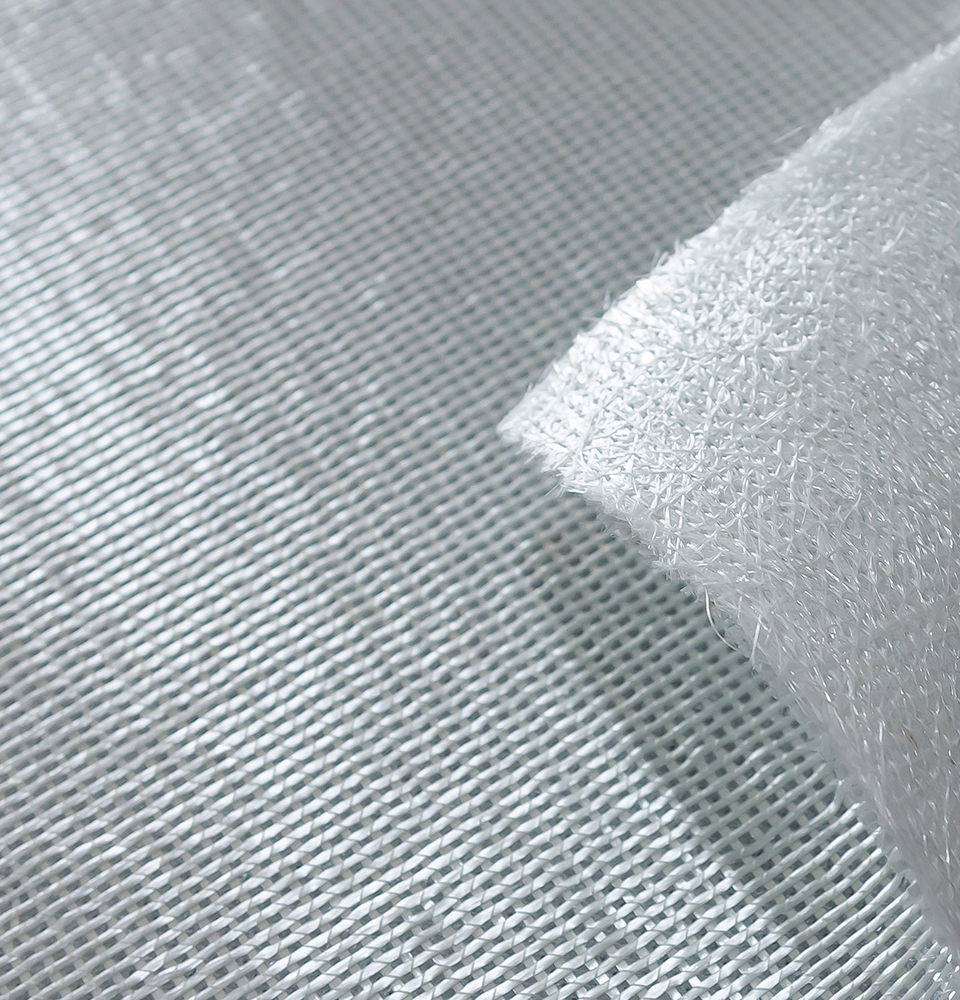
The fabric structure, fiber orientation, and layup arrangement of reinforcement materials can affect resin wet-out, laminate structure, and final performance. For example, Fiberglass Woven Roving is used in a variety of fiberglass reinforcement applications. Material selection should consider the part's structural requirements, resin system, and molding method to ensure compatibility with the intended process. Changing the reinforcement alone does not guarantee defect prevention; the material must also be compatible with the manufacturing process.
During layup, avoid wrinkles, localized material buildup, and improper overlaps. Reinforcement should be positioned according to the design requirements. Resin viscosity, wet-out characteristics, and flow paths must also be suitable for the molding process to reduce incomplete impregnation and uneven resin distribution. In addition, air should be removed as required by the process to minimize the risk of bubbles and voids.
Before molding, check the mold surface, sealing condition, and relevant equipment. For vacuum-assisted processes, pay particular attention to vacuum integrity, air-removal paths, and resin infusion. For resin transfer molding (RTM), check the injection conditions, resin flow paths, and mold venting design. Because each process has different control requirements, inspections should be tailored to the actual production method.
The required curing temperature, time, and other process parameters vary with the resin system. Follow the resin supplier's technical guidance and validated process specifications rather than adjusting curing conditions arbitrarily. Unsuitable curing conditions may affect interlaminar bonding and finished-part performance. Maintaining stable conditions and recording key parameters also supports quality traceability and troubleshooting.
When dry spots, bubbles, delamination, or other defects are found, record their locations, appearance, distribution, and frequency. Then review material batches, layup records, resin flow conditions, and curing data. If internal defects cannot be confirmed visually, suitable nondestructive testing or cross-sectional examination may be used, depending on the part's structure and quality requirements.
▸Once the defect type and likely cause have been identified, adjust the relevant process step. Avoid changing materials or processing parameters without first establishing a reasonable basis for the adjustment.
Reducing defects in fiberglass laminates requires coordinated control of reinforcement materials, resin wet-out, layup, air removal, mold condition, and curing. A stable, repeatable manufacturing process, supported by production records and systematic defect analysis, helps improve laminate quality consistency.